

Dubai Flight Guide: Routes, Fares, Booking Tips & Travel Advice
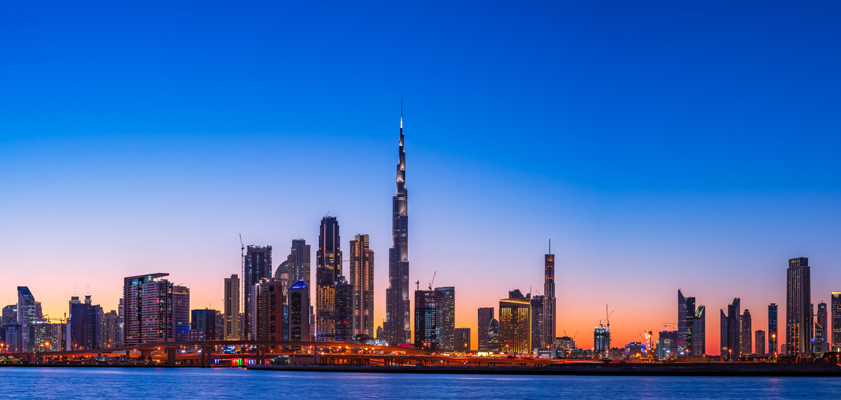
Dubai has become one of the most searched-for holiday destinations for UK travellers, and it is easy to see why. Within a single week you can stand on the observation deck of the world's tallest building, ride a dune buggy across golden sand, shop in one of the largest malls on the planet, and relax on a white-sand beach lapped by warm turquoise water. Add in year-round sunshine, a flight time that is shorter than many people expect, and a huge range of hotels to suit every budget, and it becomes clear why so many people are searching for flights to Dubai right now.
This guide has been put together to answer every practical question a UK traveller might have before booking a flight to Dubai. We will cover flight times and routes, the best UK airports to fly from, how to find cheap flights to Dubai, when to travel for the best weather and prices, what to expect at Dubai International Airport, where to stay, what to do once you land, and how to make your money go further. Whether you are booking a quick long weekend or a full two-week holiday, by the end of this article you should have everything you need to plan your trip with confidence.
Let's start from the beginning.
Why Dubai Is Worth the Trip
Dubai sits at a genuinely unusual crossroads. It is a modern, futuristic city built almost entirely within the last three decades, yet it also holds onto pockets of old Arabia in its creekside souks and heritage districts. It is a beach destination and a desert destination at the same time. It is a shopping capital and an adventure-sports hub in the same afternoon. Few cities in the world let you tick off so many different types of experience in such a short space of time, which is exactly why demand for flights to Dubai has grown so quickly among UK travellers over the last few years.
The city also has some practical advantages that make it especially attractive. The time difference from the UK is small, usually only three or four hours depending on the time of year, so jet lag is barely a factor. English is spoken everywhere, from hotel reception desks to taxi drivers. The infrastructure is modern and easy to navigate, and safety levels are consistently rated among the highest of any major city in the world. All of this combines to make Dubai one of the most beginner-friendly long-haul destinations available from the UK, even though technically it sits on the edge of two continents.
How Long Is a Flight to Dubai from the UK?
One of the first things people search before booking is simply how long the journey takes. A direct flight to Dubai from London typically takes between 6 hours 45 minutes and 7 hours 30 minutes, depending on wind conditions and the exact routing used on the day. This makes it comparable to a flight to the east coast of the United States, but in the opposite direction, and considerably shorter than flights to destinations such as Thailand, Australia or South Africa.
From regional UK airports the flight time is broadly similar, usually only 15 to 30 minutes longer or shorter depending on the specific departure city and whether the service is direct or routed through a European hub first. Because the flight sits comfortably within a single working day, many travellers choose an overnight departure so they can sleep for part of the journey and land refreshed, ready to start their holiday the same afternoon.
Direct Flights vs Connecting Flights to Dubai
Because Dubai is one of the most important aviation hubs in the world, UK travellers have the rare benefit of being able to fly there completely non-stop from several major airports. This is one of the biggest advantages of choosing Dubai over many other long-haul destinations, and it should be factored heavily into how you search for flights to Dubai.
Direct flights are almost always the more comfortable option. You avoid the stress of a connection, there is no risk of a missed transfer if your first flight is delayed, and your total journey time is kept to the minimum possible. If your schedule and budget allow it, a direct flight is generally the smarter choice for a Dubai trip, especially if you are travelling with young children or want to maximise your time on the ground.
Connecting flights, usually routed through a European hub such as Amsterdam, Paris, Frankfurt or Istanbul, can sometimes undercut the price of a direct service, particularly if you are flexible with your travel dates or are booking at short notice. The trade-off is a longer total journey time, typically adding two to five hours depending on the layover, plus the need to navigate a second airport and a second security check. For travellers chasing the very cheapest flight to Dubai on a specific date, it is always worth comparing both direct and one-stop options side by side rather than assuming direct will automatically be cheaper or that a connection will automatically save money.
Best UK Airports for Flights to Dubai
A number of UK airports operate scheduled services to Dubai, and the right one for you will depend on where you live, how much you want to spend, and whether you value convenience over cost.
London airports offer by far the greatest choice, with multiple daily departures giving you flexibility over your exact travel time and a wide spread of fares to compare. If you live within reasonable travelling distance of London, you are likely to find both the most frequent schedules and, over the course of a year, some of the most competitive prices, simply because of the volume of competition on the route.
Manchester is the next best-connected UK city for Dubai services, with regular direct departures that make it an excellent choice for travellers across the North of England, and increasingly popular for those searching specifically for cheap flights to Dubai from UK airports outside the capital.
Birmingham, Glasgow and Edinburgh also see periodic direct or near-direct services, and even where a fully non-stop option is not available, a short connection through a European hub can still deliver a smooth journey with only a modest increase in total travel time.
If you live near one of these regional airports, it is always worth comparing the total cost and time of a regional departure against travelling down to London first, since the cheapest UK to Dubai flights are not always the ones departing from the capital. Sometimes the saving on the flight itself is cancelled out by the cost of getting to a London airport and back, so look at the whole journey rather than just the headline fare.
Best Time to Book Cheap Flights to Dubai
Timing your booking correctly is one of the most effective ways to secure cheap flights to Dubai, and it is worth understanding how the pricing pattern typically works across the year.
Generally speaking, booking three to five months ahead of your travel dates offers the best balance between fare availability and price. Book too early, more than eight or nine months out, and airlines may not yet have released their most competitive fare classes. Leave it too late, inside four to six weeks of departure, and the cheapest seats will usually have already sold, leaving only the higher fare buckets available.
Finding a genuinely cheap flight to Dubai usually comes down to a mix of good timing and a few smart search habits, regardless of exactly when you book:
Search in incognito or private browsing mode. While the effect of this is often overstated, some booking engines do use browsing history to influence displayed prices, so starting with a clean session can occasionally help.
Compare mid-week departures. Tuesday, Wednesday and Thursday departures are frequently cheaper than Friday or Sunday flights, since business and leisure demand both peak around weekends.
Set fare alerts. If you know your travel window but are flexible on the exact date, setting an alert lets you catch a short-term price dip without having to check manually every day.
Check shoulder-season dates just outside school holidays. Travelling a few days before or after the official school holiday period can bring a noticeable saving.
Compare one-way pricing. Occasionally, particularly around events such as the Dubai Shopping Festival or major exhibitions, booking two separate one-way tickets rather than a return can work out cheaper.
Seasonal Price Guide: When Flights to Dubai Are Cheapest
Dubai's flight prices follow a fairly predictable seasonal pattern, closely tied to the local climate and to UK school holidays.
January and February sit right in the middle of Dubai's most popular season. The weather is close to perfect, in the low to mid-20s Celsius, and demand from UK travellers is extremely high. Prices during this period, especially around the February half-term break, are usually at or near their annual peak.
March and April begin to ease slightly, particularly outside the Easter holiday window. Temperatures remain pleasant, and fares often become more accessible for travellers with flexible dates.
May marks the beginning of the shoulder season. Temperatures start climbing quickly, which reduces leisure demand, and this is often one of the better months to find genuinely cheap flights to Dubai if you don't mind the heat.
June, July and August are Dubai's hottest months, with daytime temperatures regularly exceeding 40°C. While this puts many leisure travellers off, it is also when fares tend to be at their lowest across the entire year, since airlines need to fill seats during a quieter period. For travellers who plan to spend most of their time indoors, in malls, in hotels with excellent pools, or simply do not mind the heat, this can represent outstanding value.
September and October see temperatures gradually cool and demand pick back up again, making this a genuine shoulder-season sweet spot: pleasant enough weather with fares that have not yet reached peak winter pricing.
November is a transitional month heading into the peak winter season, with prices climbing steadily as the weather becomes more comfortable.
December, particularly the fortnight around Christmas and New Year, is the single most expensive period of the year to fly to Dubai. Demand from UK travellers looking to escape the winter combines with New Year's Eve celebrations in the city, and fares can rise dramatically. If you must travel during this window, book as early as possible.
Business Class to Dubai
Not every Dubai trip has to be about squeezing into economy for seven hours. Given the city's reputation as a luxury destination, a growing number of UK travellers choose to fly in style from the very start of their holiday. A lie-flat seat, a proper night's sleep, and airport lounge access before departure can completely change how a long-haul flight feels, and arriving refreshed rather than exhausted means you can start exploring the same day rather than losing your first afternoon to recovery.
Premium cabins offer fare comparisons, better cabin features and stronger overall value on a long flight than many travellers expect. It is worth considering before you commit to an economy booking, particularly for special occasions such as honeymoons, anniversaries or milestone birthdays, where the extra comfort can make a real difference to how the whole trip is remembered.
Arriving in Dubai: What to Expect
Dubai's main international gateway is one of the busiest in the world, and its terminals are modern, well signposted and generally efficient, though it is worth allowing a little extra time to clear immigration during peak arrival periods, particularly in the evening when several long-haul flights land close together.
Immigration for UK passport holders is usually straightforward. Most UK nationals do not need to arrange a visa in advance for tourist visits of up to 90 days, as a visa is issued on arrival free of charge, though it is always sensible to check the latest requirements on the official UAE government portal before you travel, since policies can be updated.
Baggage reclaim is generally quick by international standards, and the arrivals hall offers extensive currency exchange, SIM card and taxi facilities. If your accommodation offers a transfer, it is usually the smoothest option for your first journey into the city, especially late at night. Alternatively, the Dubai Metro has a direct connection into the city centre and is an efficient, low-cost option if you are travelling light.
Getting Around Dubai
Once you have landed and settled in, getting around the city is generally very easy.
The Dubai Metro is clean, fast, air-conditioned and inexpensive, with two main lines covering most of the areas tourists want to visit, including Downtown Dubai, Dubai Marina and Deira. A rechargeable Nol card can be used across the metro, buses and even the water taxis known as abras.
Taxis are plentiful, metered, and reasonably priced compared with many Western cities. Ride-hailing apps are also widely used and can be a convenient way to book a car without needing cash on hand.
Car hire is popular with visitors who want more flexibility, particularly for day trips outside the city, though it is worth remembering that driving standards and road layouts can differ noticeably from the UK, and an international driving permit may be required depending on your licence type.
For a more traditional experience, abra water taxis cross Dubai Creek for a small fee and are one of the cheapest, most memorable ways to see the older part of the city from the water.
Where to Stay in Dubai
Choosing the right area to base yourself can shape your entire trip, so it is worth understanding the main options before you book accommodation.
Downtown Dubai puts you within walking distance of the Burj Khalifa, the Dubai Mall and the Dubai Fountain, making it an excellent choice for first-time visitors who want to be at the centre of the action.
Dubai Marina offers a more relaxed, waterfront atmosphere with a huge choice of restaurants along the promenade, and is popular with travellers who want easy access to the beach as well as nightlife.
Jumeirah Beach Residence (JBR) sits right on the sand and is a strong choice for families or anyone who wants beach access as their top priority.
Palm Jumeirah is home to some of the city's most iconic resorts, including several with private beaches, and suits travellers looking for a more resort-style holiday rather than a city break.
Deira and Bur Dubai offer a more traditional, budget-friendly base close to the historic souks and Dubai Creek, ideal for travellers who want a flavour of old Dubai alongside lower accommodation costs.
Business Bay has grown rapidly in recent years and offers a good mix of value and proximity to Downtown, often at a lower price point than staying directly in the Downtown district itself.
Top Things to Do in Dubai
Once your flight to Dubai has landed, the real question becomes what to actually do with your time. Here is a rundown of the experiences most visitors prioritise.
Burj Khalifa. The world's tallest building offers an observation deck experience across several levels, with the higher "Sky" level providing an even more dramatic view over the city and out towards the Gulf. Booking a timed ticket in advance, particularly for sunset, is strongly recommended.
The Dubai Mall. More than just a shopping centre, this is one of the largest malls on earth, home to an aquarium, an ice rink, an enormous fountain show outside, and enough restaurants to fill several days of exploring on their own.
The Dubai Fountain. Set on the artificial lake outside the Dubai Mall, this choreographed water, light and music show runs regularly in the evenings and is free to watch from several vantage points.
Desert Safari. A dune-bashing 4x4 ride across the desert, followed by a traditional camp experience with dinner, live entertainment and sometimes camel rides, is one of the most popular half-day excursions and a genuine highlight for most first-time visitors.
Palm Jumeirah and Atlantis. Whether or not you stay there, the Palm is worth visiting for its dramatic shape, luxury hotels and the Aquaventure Waterpark, one of the largest water parks in the region.
Museum of the Future. This striking, architecturally unique building has quickly become one of Dubai's most talked-about attractions, blending immersive exhibits with a genuinely futuristic design.
Dubai Frame. A giant picture-frame-shaped structure offering panoramic views over both old and new Dubai from a glass-floored sky deck.
Global Village. Open seasonally, this outdoor cultural and entertainment park brings together pavilions representing dozens of countries, along with rides, live shows and food from around the world.
Dubai Miracle Garden. One of the largest flower gardens in the world, with elaborate sculptures made entirely from flowering plants, typically open during the cooler months.
Jumeirah Beach and La Mer. For a more relaxed day, Dubai's public beaches offer soft sand and warm water, with La Mer in particular combining a beach setting with cafes, shops and street art.
Al Fahidi Historic District. Wander the narrow lanes of this beautifully preserved old quarter, home to wind-tower architecture, small museums and art galleries that showcase Dubai's history before the skyscrapers arrived.
Gold Souk and Spice Souk. Located in Deira, these traditional markets are worth visiting even if you are not planning to buy anything, simply for the atmosphere, the scents and the sight of shop windows piled high with gold jewellery.
Ski Dubai. An indoor ski slope inside the Mall of the Emirates, offering the surreal experience of snow sports in the middle of the desert.
Dubai Marina Walk. A scenic waterfront promenade lined with restaurants and cafes, ideal for an evening stroll with views of the marina's skyscrapers lit up after dark.
Ain Dubai. One of the world's largest observation wheels, located on Bluewaters Island, offering sweeping views along the Dubai coastline.
Suggested Itineraries for Your Dubai Trip
A 3-Day Dubai Itinerary
With just three days, focus on the essentials. Spend day one exploring Downtown Dubai, taking in the Burj Khalifa, the Dubai Mall and the evening fountain show. On day two, head to the desert for a half-day safari, followed by an evening at Dubai Marina for dinner along the waterfront. On your final day, visit the Museum of the Future or the Dubai Frame in the morning, then relax on Jumeirah Beach in the afternoon before your evening flight home.
A 5-Day Dubai Itinerary
A five-day trip allows you to slow the pace down considerably. Add a full day exploring Old Dubai, including the Al Fahidi district, the souks and an abra ride across the creek. Dedicate another full day to Palm Jumeirah and Aquaventure Waterpark, and build in a free afternoon simply to enjoy your hotel pool or beach, since Dubai holidays do not need to be a constant checklist of attractions.
A 7-Day Dubai Itinerary
With a full week, you can comfortably combine city sightseeing, a desert safari, a beach day, a shopping day, and even a day trip out of the city. Abu Dhabi, home to the stunning Sheikh Zayed Grand Mosque and Ferrari World, is roughly a ninety-minute drive away and makes an excellent day excursion for travellers who want to see beyond Dubai itself.
A 10-Day Dubai Itinerary
Ten days gives you the flexibility to properly slow down. Consider splitting your stay between two different areas, perhaps starting in Downtown Dubai before moving to a beachfront resort on the Marina or the Palm for the second half of your trip, giving you both a city experience and a relaxing finish to the holiday.
Food and Dining in Dubai
Dubai's dining scene reflects its position as one of the most international cities on earth. You will find everything from Michelin-recognised fine dining to simple, excellent shawarma stalls, often within a short walk of one another.
Traditional Emirati cuisine, built around slow-cooked meats, rice dishes and fresh flatbreads, is worth seeking out at a dedicated local restaurant rather than a generic hotel buffet. Lebanese, Indian and Persian food are all extremely well represented across the city, a reflection of Dubai's diverse population. For a special night out, several restaurants offer views of the Burj Khalifa or the Dubai Fountain, though these typically require booking well in advance, especially around sunset seating times.
Alcohol is available in licensed hotel bars and restaurants, though it is not sold in most standalone shops, so plan accordingly if this is important to your holiday. During Ramadan, dining hours and availability change significantly, which we cover in more detail below.
Shopping in Dubai
Shopping is a genuine attraction in its own right in Dubai, ranging from ultra-modern malls to centuries-old souks.
The Dubai Mall and Mall of the Emirates anchor the modern shopping scene, home to international high-street brands alongside luxury boutiques, and both function almost as entertainment destinations in their own right.
The Gold Souk in Deira remains one of the best places in the world to browse jewellery, with prices often negotiable and gold sold by weight against the daily international rate.
The Dubai Shopping Festival, usually held in the winter months, brings city-wide discounts, entertainment and fireworks, and is worth timing a trip around if shopping is a major part of your travel plans.
Family Travel to Dubai
Dubai has become an increasingly popular choice for family holidays, thanks to its combination of guaranteed sunshine, high safety standards and an enormous range of child-friendly attractions. Waterparks such as Aquaventure and Wild Wadi are designed with young children in mind, many hotels offer dedicated kids' clubs, and attractions such as the Dubai Aquarium, Ski Dubai and Global Village all appeal strongly to younger travellers. Booking a flight to Dubai with a reputable airline that offers good family facilities, including priority boarding and children's entertainment on board, can make the outbound journey far smoother.
Honeymoons and Couples' Trips to Dubai
For couples, Dubai offers a compelling mix of romance and adventure that few other destinations can match within a single seven-hour flight. Private beach resorts on Palm Jumeirah, sunset dinner cruises along Dubai Marina, and a desert overnight stay under the stars are all popular choices for honeymooners. Many hotels offer honeymoon packages including room upgrades and private dining, so it is always worth mentioning the occasion when booking.
Business Travel to Dubai
Dubai's status as a global business hub means a significant proportion of flights to Dubai from the UK are for work rather than leisure. The city hosts numerous international conferences and exhibitions throughout the year, and business travellers benefit from excellent hotel infrastructure, reliable Wi-Fi, and a well-connected metro and taxi network that makes moving between meetings straightforward. If your trip coincides with a major trade event, book well ahead, as hotel prices and flight fares both rise significantly during these periods.
Travelling to Dubai During Ramadan
If your trip falls during Ramadan, the Islamic holy month, it is worth understanding how daily life adjusts. Many restaurants close during daylight hours or offer takeaway only, though hotels typically continue to serve food to guests discreetly. Public eating, drinking and smoking during daylight hours is restricted out of respect for those observing the fast, even for visitors. Evenings, by contrast, come alive with iftar feasts and a noticeably festive atmosphere, and many attractions adjust their opening hours accordingly. It is not a reason to avoid visiting, but it does change the rhythm of a typical day, so build this into your planning.
Currency and Money Tips
The local currency is the UAE Dirham (AED), which is pegged to the US Dollar and therefore relatively stable against sterling compared with many currencies. Credit and debit cards are accepted almost everywhere, including taxis and smaller shops, though it is worth carrying a small amount of cash for the souks, where bargaining is expected and cash payments are sometimes preferred. Contactless payment is extremely widespread, and most UK travellers find they need surprisingly little physical cash beyond souvenir shopping and tipping.
Safety and Cultural Etiquette
Dubai is consistently ranked among the safest cities in the world for tourists, with low crime rates and a strong police presence in tourist areas. That said, the UAE does have strict laws around public behaviour, and it is worth being aware of a few key points before you travel: public displays of affection should be kept modest, dress should be reasonably conservative away from beaches and pools, and swearing or rude gestures in public can carry more serious consequences than in the UK. None of this should put you off visiting, but a little cultural awareness goes a long way towards a smooth trip.
What to Pack for Dubai
Lightweight, breathable clothing is essential given the heat, but it is worth packing a light layer for indoor spaces, since air conditioning in malls, restaurants and hotels can be surprisingly strong. If you plan to visit mosques or more traditional areas, pack at least one modest outfit covering shoulders and knees. Strong sun protection, including a hat and high-factor sunscreen, is essential for most of the year, and comfortable walking shoes are a must if you plan to explore the older districts on foot.
Travel Insurance and Health Considerations
As with any international trip, comprehensive travel insurance covering medical treatment, cancellations and baggage is strongly recommended before booking your flight to Dubai. Healthcare in the city is of a very high standard, but treatment as a visitor without insurance can be expensive. No specific vaccinations are required for entry from the UK, though it is always worth checking current NHS travel health advice before departure, since recommendations can be updated.
Why Book Your Flights to Dubai with BookForYou
Finding the right balance between price, timing and comfort takes a bit of research, and that is exactly where we can help. At BookForYou, our goal is to make booking flights to Dubai simple and transparent for UK travellers.
Wide route comparison across direct and connecting options from multiple UK airports.
Flexible fare options to suit everyone from quick city breaks to extended two-week holidays.
Clear, upfront pricing with no hidden surprises at checkout.
Friendly support from a team that understands long-haul travel and Dubai specifically.
If you are considering flying in a premium cabin for a special occasion, it is worth exploring that option before you book.
Dubai Weather Month by Month
Understanding Dubai's climate in detail helps you match your travel dates to the kind of holiday you want, and it also explains a lot of the seasonal pricing patterns covered earlier in this guide.
January. Daytime temperatures sit around 24°C, with cool evenings that make a light jacket useful after dark. This is peak season, with clear skies and almost no rainfall, making it one of the most popular months for a flight to Dubai.
February. Very similar to January, with temperatures edging up slightly. The UK half-term holiday falls in this window, so both flights and hotels are in high demand.
March. Temperatures begin climbing towards the high 20s, still comfortable for beach days and outdoor sightseeing, with the desert landscape at its greenest after any winter rainfall.
April. Daytime highs move into the low 30s. Evenings remain pleasant, and this is often considered one of the best shoulder-season months, combining good weather with fares that have not yet dropped to their summer lows.
May. Temperatures rise sharply, often into the mid-30s and beyond. Tourist numbers begin to thin out, and this is typically when fares for cheap flights to Dubai start to become noticeably more competitive.
June. The true summer heat arrives, with daytime temperatures regularly exceeding 38°C and high humidity near the coast. Indoor attractions, malls and hotel pools become the focus for most visitors during this period.
July. Among the hottest months of the year, with temperatures frequently above 40°C. This is also one of the cheapest times to fly, making it popular with budget-conscious travellers who plan their days around air-conditioned spaces.
August. Similar conditions to July, with intense heat and humidity. Many residents travel abroad during this period, which can actually make popular attractions quieter for visitors who don't mind the temperatures.
September. A gradual cooling begins, though afternoons remain very warm. This is a genuine shoulder-season month, often overlooked by UK travellers but offering a good balance of value and improving conditions.
October. Temperatures continue easing into the low-to-mid 30s, and outdoor activities become more comfortable again, particularly in the early morning and evening.
November. One of the most pleasant months of the year, with daytime highs around 30°C and warm, swimmable seas. Demand and prices both begin climbing as peak season approaches.
December. Alongside January and February, this is peak season, with excellent weather and the added draw of Christmas and New Year celebrations across the city's hotels and beach clubs. It is also, as noted earlier, the most expensive time of year to fly.
Day Trips and Excursions Beyond Dubai
While Dubai itself can easily fill an entire trip, several worthwhile destinations sit within easy reach for travellers who want to see more of the wider United Arab Emirates.
Abu Dhabi. Roughly ninety minutes away by road, the UAE capital is home to the breathtaking Sheikh Zayed Grand Mosque, one of the most beautiful buildings in the world and free to visit for all faiths, alongside Ferrari World, Yas Waterworld and the Louvre Abu Dhabi. Many visitors combine a Dubai stay with a single day trip here, though it is also possible to split a longer holiday between both cities.
Sharjah. Known as the cultural capital of the UAE, Sharjah sits just across the border from Dubai and offers excellent museums, traditional architecture and a noticeably more conservative, heritage-focused atmosphere than its glitzy neighbour. It makes for an interesting half-day contrast to the Dubai skyline.
Hatta. Tucked into the Hajar Mountains around ninety minutes from the city, Hatta offers a completely different side of the UAE, with a turquoise reservoir, mountain biking trails, kayaking and a cooler climate than the coast. It has become an increasingly popular escape for both residents and visitors wanting a break from the heat and the crowds.
Ras Al Khaimah. A quieter, more laid-back emirate around an hour from Dubai, known for its mountain scenery, the Jais Flight zipline, one of the longest in the world, and a growing number of beach resorts that offer a calmer alternative to Dubai's busier waterfront.
Fujairah. On the UAE's east coast, facing the Gulf of Oman rather than the Gulf itself, Fujairah offers excellent diving and snorkelling thanks to clearer waters, along with a more relaxed pace than the west coast cities.
If you plan to combine any of these destinations with your main Dubai holiday, it is worth checking whether your accommodation or a local tour operator can arrange transport, since public transport links between emirates are more limited than within Dubai itself.
Dubai's Best Beaches
Dubai's coastline offers a wide variety of beach experiences, from free public stretches of sand to exclusive resort-only strips.
Jumeirah Beach Park and the wider Jumeirah Open Beach are popular free public options, well maintained and easily accessible, making them a good choice for visitors not staying at a beachfront hotel.
Kite Beach is known for its watersports scene, food trucks and views of the Burj Al Arab, making it a lively spot for an active beach day rather than pure relaxation.
La Mer combines a beach setting with a wider leisure development including cafes, shops and a water park, making it particularly popular with families.
JBR Beach, running alongside The Walk at Jumeirah Beach Residence, is one of the most social beach areas, backed by restaurants, cafes and regular events.
Palm Jumeirah beaches, mostly attached to the resorts along the fronds, offer a quieter, more exclusive experience, ideal for travellers prioritising relaxation over people-watching.
Al Mamzar Beach Park, further from the main tourist areas towards Sharjah, is a quieter option with lagoon-style bays, popular with families and considerably less crowded than the more central beaches.
Comparing Your Flight Options
Several carriers operate scheduled flights to Dubai from the UK, and the right choice for you often comes down to a combination of schedule convenience, onboard experience and total journey time.
Some services fly direct from major UK cities with modern aircraft and frequent departures, offering the advantage of familiar booking processes for British travellers. Other options route through a European hub, which can sometimes bring the price down, particularly if your travel dates fall outside the busiest direct fare windows.
When comparing options, look beyond the headline price to baggage allowance, seat pitch, meal inclusion and cancellation flexibility, since these can make a meaningful difference to the overall value of a fare, particularly on a flight of six to eight hours.
Dubai for Different Types of Traveller
Adventure seekers will find plenty to keep them busy beyond the standard desert safari, including skydiving over the Palm Jumeirah, dune buggy tours, sandboarding and mountain biking trips out towards Hatta.
Luxury travellers are extremely well catered for, with several of the world's most talked-about hotels located here, private beach clubs, exclusive yacht charters and fine-dining experiences that rival any city on earth.
Budget-conscious travellers can still enjoy Dubai comfortably by focusing on free or low-cost attractions such as public beaches, the Dubai Fountain show, and the historic districts, while choosing mid-range hotels away from the most expensive waterfront addresses and travelling during the cheaper summer shoulder months.
Solo travellers benefit from Dubai's high safety standards and easy-to-navigate public transport, making it one of the more approachable long-haul cities for a first solo long-haul trip, with plenty of group tour options available for desert safaris and day trips if you want to meet other travellers.
Remote workers and digital nomads increasingly choose Dubai for short stays thanks to strong Wi-Fi infrastructure, a large number of co-working spaces, and longer-stay visa options for those wanting to base themselves in the city for several weeks or months rather than a standard holiday.
Visa Types for Visiting Dubai
While most UK leisure travellers will simply receive a visa on arrival, it is worth understanding the different categories that exist, since the right one depends on your purpose of travel.
The standard tourist visa on arrival covers most UK passport holders visiting for leisure and is issued free of charge for stays of up to 90 days, though this can be subject to change, so always verify current rules before booking.
A transit visa may apply if you are passing through Dubai on the way to a different final destination with a longer layover, and is typically arranged through the operating airline rather than independently.
Multiple-entry visas are available for travellers who expect to visit the UAE several times within a set period, which can be useful for frequent business travellers or those planning to combine a Dubai stay with trips to neighbouring countries.
Longer-stay options, including remote work visas, have also become more widely available in recent years for travellers wanting to base themselves in the city for an extended period rather than a typical one or two week holiday.
Staying Connected: SIM Cards and Wi-Fi in Dubai
Mobile connectivity in Dubai is excellent, with fast 4G and 5G coverage across almost the entire city. UK travellers can either rely on their home network's roaming package, purchase a local prepaid SIM card at the airport or in the city, or use an eSIM if their handset supports it. Free Wi-Fi is widely available in malls, cafes, hotels and even some public spaces, though certain messaging and calling apps that rely on internet calling are restricted in the UAE, so it is worth checking which communication apps you rely on before you travel and having a backup plan such as a standard phone plan with roaming enabled.
Sustainable and Responsible Travel in Dubai
As with any fast-growing destination, it is worth thinking about how to minimise your impact while visiting. Choosing hotels with recognised sustainability certifications, avoiding single-use plastics where possible, respecting marked conservation areas on desert excursions, and supporting locally owned restaurants and shops in the older districts are all simple ways to travel a little more responsibly. Dubai has also invested heavily in solar energy and sustainable building standards in recent years, and a number of tour operators now offer eco-conscious desert and marine excursions for travellers who want to factor this into their choices.
Extended Packing List for Dubai
Beyond the basics covered earlier, it is worth tailoring your packing list to your specific plans.
For beach and pool days: reef-safe sunscreen, a rash vest for extended sun exposure, a dry bag for phones and valuables, and reusable water bottles, since tap water is safe but many visitors prefer bottled water for taste.
For desert excursions: a light scarf or bandana for dust protection, closed-toe shoes for camp activities, and a portable charger, since phone batteries can drain quickly in the heat.
For families: a portable fan or cooling towel for young children, snacks for long transit and taxi journeys, and any specific children's sun protection, since pharmacy availability, while good, may not stock every home brand.
For business travellers: a lightweight blazer that can handle both air-conditioned meeting rooms and the outdoor heat, along with a universal adapter, since UAE sockets follow the UK three-pin standard, which is a welcome convenience for British visitors.
BFinal Thoughts
Dubai offers one of the most complete holiday experiences available from the UK within a single flight under eight hours. Futuristic skyscrapers, golden desert dunes, warm beaches and some of the best shopping in the world all sit within a short taxi ride of each other, making it possible to build an itinerary that suits almost any type of traveller. By booking your flights to Dubai at the right time, choosing the route and airport that works best for you, and planning your itinerary around the season you are travelling in, you can put together a trip that delivers outstanding value without compromising on comfort.
Ready to start planning? Compare your options today and take the first step towards your trip to Dubai.



Frequently Asked Questions (FAQs)
A direct flight from London typically takes between 6 hours 45 minutes and 7 hours 30 minutes. Flights from regional UK airports are broadly similar, sometimes slightly longer if routed through a connecting hub.
Fares are generally lowest during the summer months of June, July and August, when the intense heat reduces leisure demand. May and September also offer good value with more comfortable weather.
Most UK passport holders receive a visa on arrival free of charge for stays of up to 90 days, though it is important to check the latest official requirements before travelling, since policies can change.
London airports offer the widest choice of direct services, with Manchester also operating regular direct flights. Birmingham, Glasgow and Edinburgh may offer direct or one-stop options depending on the season.
Direct flights save time and reduce the risk of missed connections, making them the more comfortable option overall. Connecting flights can sometimes be cheaper, particularly at short notice, so it is worth comparing both.
Booking three to five months ahead usually offers the best combination of price and availability, though fares for peak Christmas and New Year travel should be booked earlier.
Dubai can be as expensive or as affordable as you choose to make it. Flights, mid-range hotels and dining can all be found at reasonable prices outside peak season, while luxury experiences are also widely available for those who want them.
November to March offers the most comfortable weather, with temperatures in the 20s Celsius, making it the most popular season. Summer months are far hotter but often much cheaper to fly and stay.
Alcohol is available in licensed hotel bars and restaurants but is not typically sold in standalone shops, so plan your evenings around venues that serve it if this matters to your trip.
The Dubai Metro connects directly from the airport to most central areas, while taxis and ride-hailing apps are widely available and reasonably priced for a more direct door-to-door option.
.png)